UNB NEWS DHAKA PUBLISH- APRIL 12, 2022, 10:47 AMAKM MOINUDDIN - UNB STAFF WRITER UPDATE- APRIL 12, 2022, 04:26 PM

Japanese
Ambassador to Bangladesh Ito Naoki has said more resources need to be put in
place on Bhasan Char Island to create more livelihood opportunities for the
relocated Rohingyas as what he says the Rohingyas face “some challenges” on the
island despite having some “solid facilities and infrastructure.”
“It’s
true that they’re enjoying a better safety and security environment. They’re
living in more solid, concrete buildings. So that's absolutely a positive
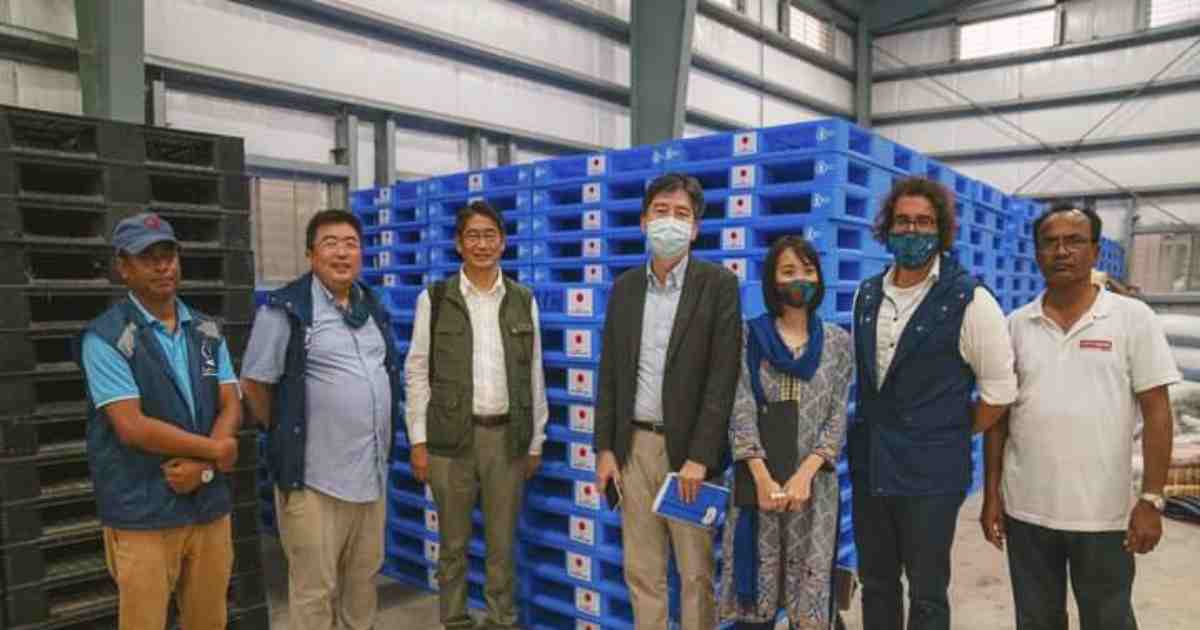
aspect of their lives,” he told UNB in an interview while sharing experience of
his recent visit to the Island but noted that there should be more resources through
joint efforts to create livelihood opportunities on the island.
The
ambassador said the government of Bangladesh and the international community
need to come forward with more resources and the private sector including
Bangladesh Garment Manufacturers and Exporters Association (BGMEA) can be
involved to create more livelihood opportunities, education and skills for the
Rohingyas so that “frustration” does not grow among them which might lead to
instability.
Rohingyas
are Myanmar nationals and Bangladesh has been hosting them on a temporary basis
purely out of humanitarian gesture, Bangladesh says.
Any
arrangement in Bangladesh for Rohingyas is solely “temporary” in nature, said a
government official, noting that the Rohingyas want to return to their homeland
– Myanmar’s Rakhine State - and all need to work constructively to that end.
The
government of Bangladesh made it clear that it cannot integrate the Rohingyas
and cannot find any permanent solution within Bangladesh while their
sustainable repatriation is seen as the only solution.
Asked
whether providing more livelihood opportunities will send a signal to
Myanmar that the Rohingyas are being settled in Bangladesh, Ambassador Naoki
said, “No, I don't think so.”
He said
the Rohingyas living in Bhasan Char want to go back and repatriation is their
goal. “They want justice. Even after almost five years, they’re still really
looking at their homeland. It's clear they want to go back.”
So as
long as they have that determination for repatriation, no wrong signal can be
sent to Myanmar, said the ambassador.
He said
education, skills and livelihood opportunities are essential things before they
go back to Myanmar as it seems, given the situation in Myanmar, the Rohingyas
are going to stay here for “some more years.”
“You
decided to open up the border. You decided to provide humanitarian support and
protection. So now we’re in the next stage. That’s to equip them with better
education, better skills, better livelihood opportunities, I think these are
the steps we should take even to facilitate the process of repatriation. That’s
my view,” said the ambassador.


No comments:
Post a Comment