Describing Israel and Iran fighting each other at his NATO pre-summit news conference in The Hague this week, US President Donald Trump drew an analogy with children fighting in a schoolyard, who eventually had to be separated.
“Daddy has to sometimes use strong language,” Mark Rutte, NATO secretary-general, chimed in.
Recommended Stories
Canada rescinds digital services tax after Trump suspends trade talks
What is Canada’s digital tax and why is Trump killing trade talks over it?
Was the Iran war to establish Israel’s control over the Middle East?
White victimhood to G20: What’s behind Trump’s attacks on South Africa?
Asked about the comment after the summit, Trump said: “No, he likes me. I think he likes me. If he doesn’t I’ll let you know. I’ll come back and hit him hard, OK? He did it very affectionately. Hey Daddy. You’re my Daddy.”
The White House decided Rutte was flattering the US president, and made a reel of Trump’s visit to the Netherlands, set to the music of Usher’s Hey Daddy.
Rutte’s flattery of Trump didn’t stop there. On tackling the Russia-Ukraine war, Rutte told reporters before the NATO summit: “When he came in office, he started the dialogue with President Putin, and I always thought that was crucial. And there’s only one leader who could break the deadlock originally, and it had to be the American president, because he is the most powerful leader in the world.”

- Now Playing00:17

NATO chief refers to Trump as 'Daddy’
- Next25:03
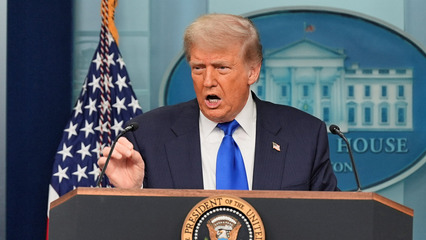
Trump battles for credit for his Iran intervention | The Listening Post
- 01:52
Climate protest hits London with giant puppet animals
- 24:25
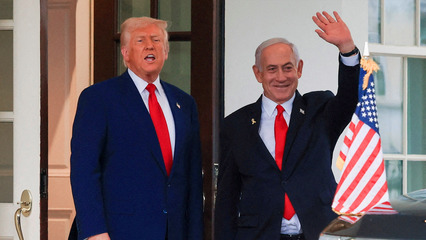
Will Netanyahu convince Trump to bomb Iran? | The Listening Post
- 11:44
Israel vs Iran: why now? | Start Here
But how sincere are world leaders’ statements about Donald Trump? Do they genuinely serve to improve bilateral relations and does flattery work?
Who has handled Trump well and what have the results been?
Neither Rutte, nor any other European leader, engaged in any kind of dialogue with Russian President Vladimir Putin for a long time after the summer of 2022, the year of his invasion of Ukraine, believing it pointless.
Sign up for Al Jazeera
Americas Coverage Newsletter
Yet when Trump started talks with Putin, many Europeans paid him the same compliment as Rutte when they made their inaugural visits to the White House after he took office in January.
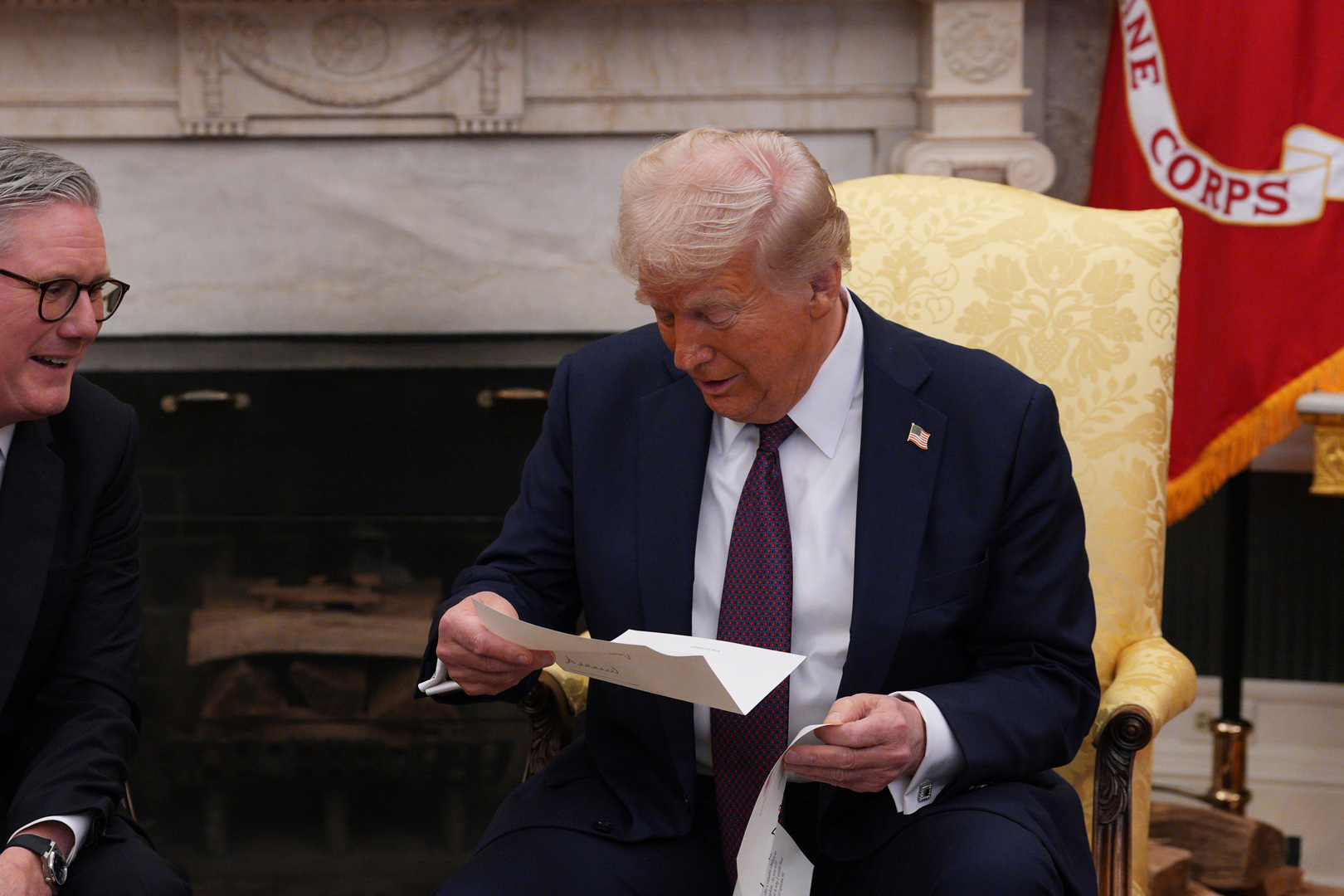
Keir Starmer, UK
“Thank you for changing the conversation to bring about the possibility that now we can have a peace deal, and we will work with you,” said the United Kingdom’s prime minister, Keir Starmer, in the Oval Office in February.
Starmer pulled a few rabbits out of hats. Knowing Trump’s fondness for the notion of hereditary power, he drew from his jacket a letter from King Charles III containing an invitation for an unprecedented second state visit to Windsor Castle.
Trump was momentarily speechless. “Your country is a fantastic country, and it will be our honour to be there, thank you,” Trump said when he’d gathered himself.
Starmer and Trump exchanged a few handshakes while speaking and Starmer repeatedly touched Trump’s shoulder in a sign of affection.
But did all this flattery have much effect? Trump announced he was freezing military aid to Ukraine the following month, much to the outrage of the UK, along with Nordic and Baltic countries.
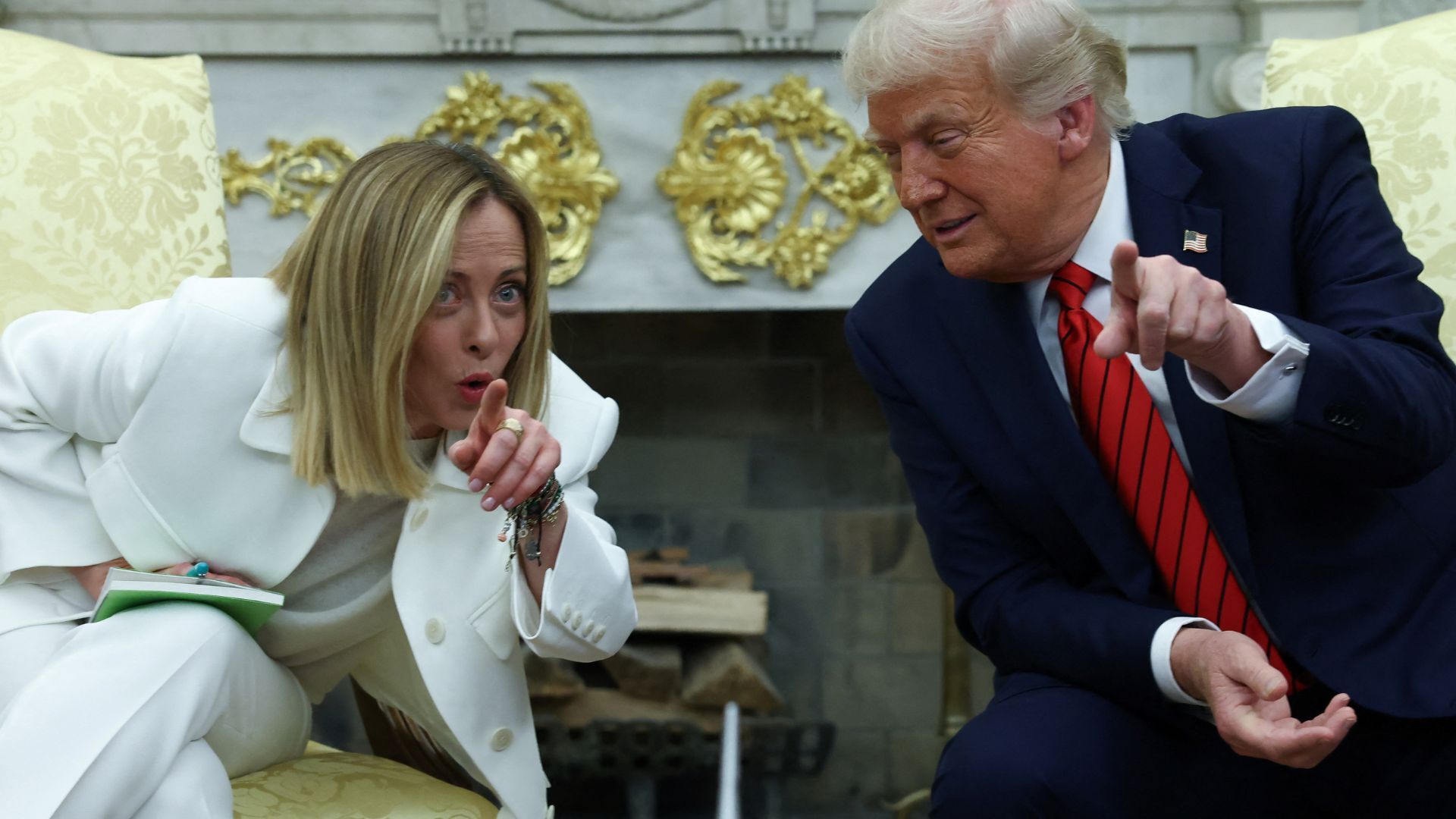
Giorgia Meloni, Italy
Both Starmer and Italy’s prime minister, Giorgia Meloni, identified Ukraine as a key issue for Trump, who has made it clear he wants to win the Nobel Peace Prize by ending international conflicts. So far, he has claimed credit for ending this month’s “12-Day War” between Israel and Iran, preventing nuclear war following the May 7 air battle between India and Pakistan, and overseeing a peace deal between the Democratic Republic of the Congo (DRC) and Rwanda.
Meloni, therefore, tried a similarly flattering approach to Trump. “Together we have been defending the freedom of Ukraine. Together we can build a just and lasting peace. We support your efforts, Donald,” she said during her White House visit in April.
Meloni astutely punched all of Trump’s hot-button issues in her opening remarks, saying Italy had policies to combat Fentanyl, an addictive painkiller that Trump has blamed Canada and Mexico for allowing into the country, to invest $10bn in the US economy and to control undocumented immigration.
She even adapted Trump’s slogan, Make America Great Again, to Europe. “The goal for me is to Make the West Great Again. I think we can do it together,” Meloni said to a beaming Trump.
None of this has translated into a state visit by Trump to Rome, a move which would cement Meloni’s position as a major European leader, however.
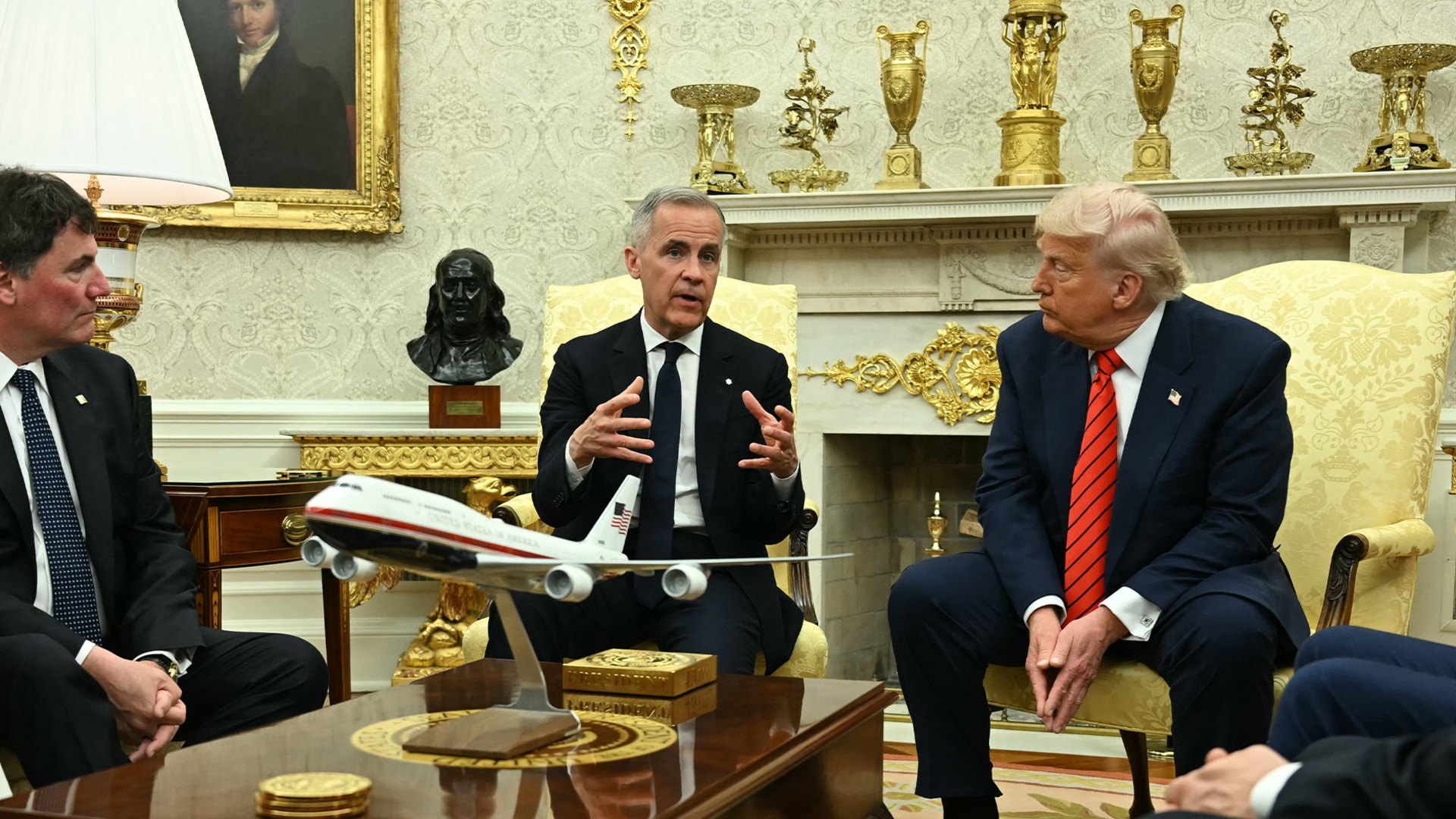
Mark Carney, Canada
Meanwhile, newly elected Canadian Prime Minister Mark Carney was both flattering and firm with Trump last month. He complimented Trump on being “a transformational president” who had sided “with the American worker”, but also shut down Trump’s territorial ambition to annex Canada as the 51st US state. “It’s not for sale, won’t be for sale ever,” Mark Carney said.
Relations seemed to have taken a turn for the better following Trump’s friction with Carney’s predecessor, Justin Trudeau. Trump called him “very dishonest and weak” at the 2018 G7 summit in Canada before storming off early.
But Carney may not have had much effect at all. On Friday, Trump ended trade talks with Canada and threatened to impose additional tariffs on exports over Canada’s new digital services tax.
Which meetings have gone less well?
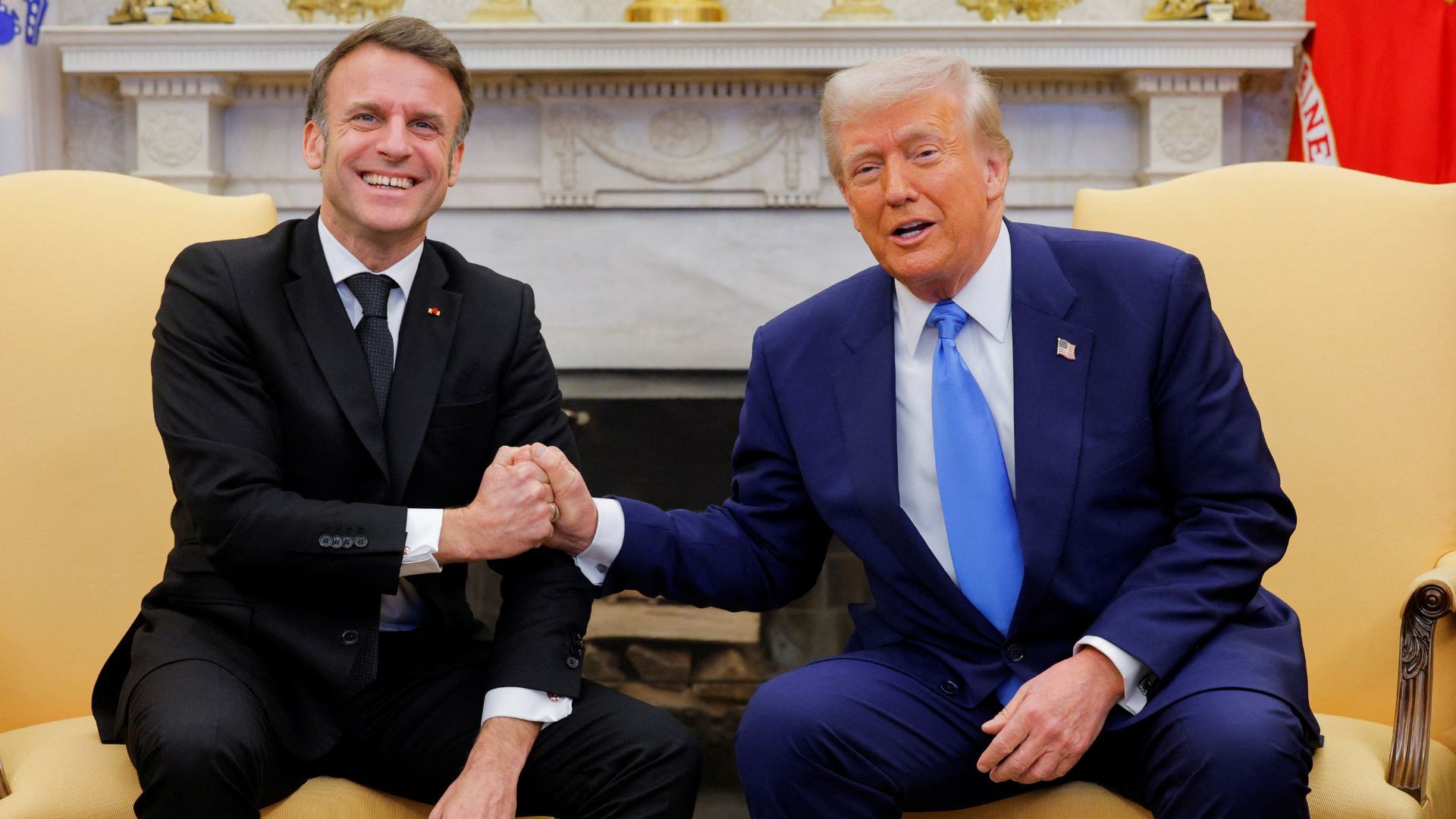
Emmanuel Macron, France
There was little warmth in Trump’s White House meeting with French President Emmanuel Macron in February.
Braced for confrontation with a leader who claims to lead Europe in strategic thought, Trump spoke from lengthy, defensive, scripted remarks which attempted to justify his Ukraine policy.
Macron preached that peace in Ukraine must not mean surrender – a sentiment shared by many European leaders, but not expressed to Trump. Trump was cordial with Macron, but not affectionate.
Meanwhile, France is holding out on any sort of capitulation to Trump in European Union trade talks. Other members of the EU want to settle for an “asymmetric” trade deal that might benefit the US more than the EU, just to get it done.
What’s more, following the G7 meeting in Canada two weeks ago, it was clear no love was lost between the two leaders: Trump called Macron “publicity seeking” in a social media post on June 17.
Volodymyr Zelenskyy, Ukraine
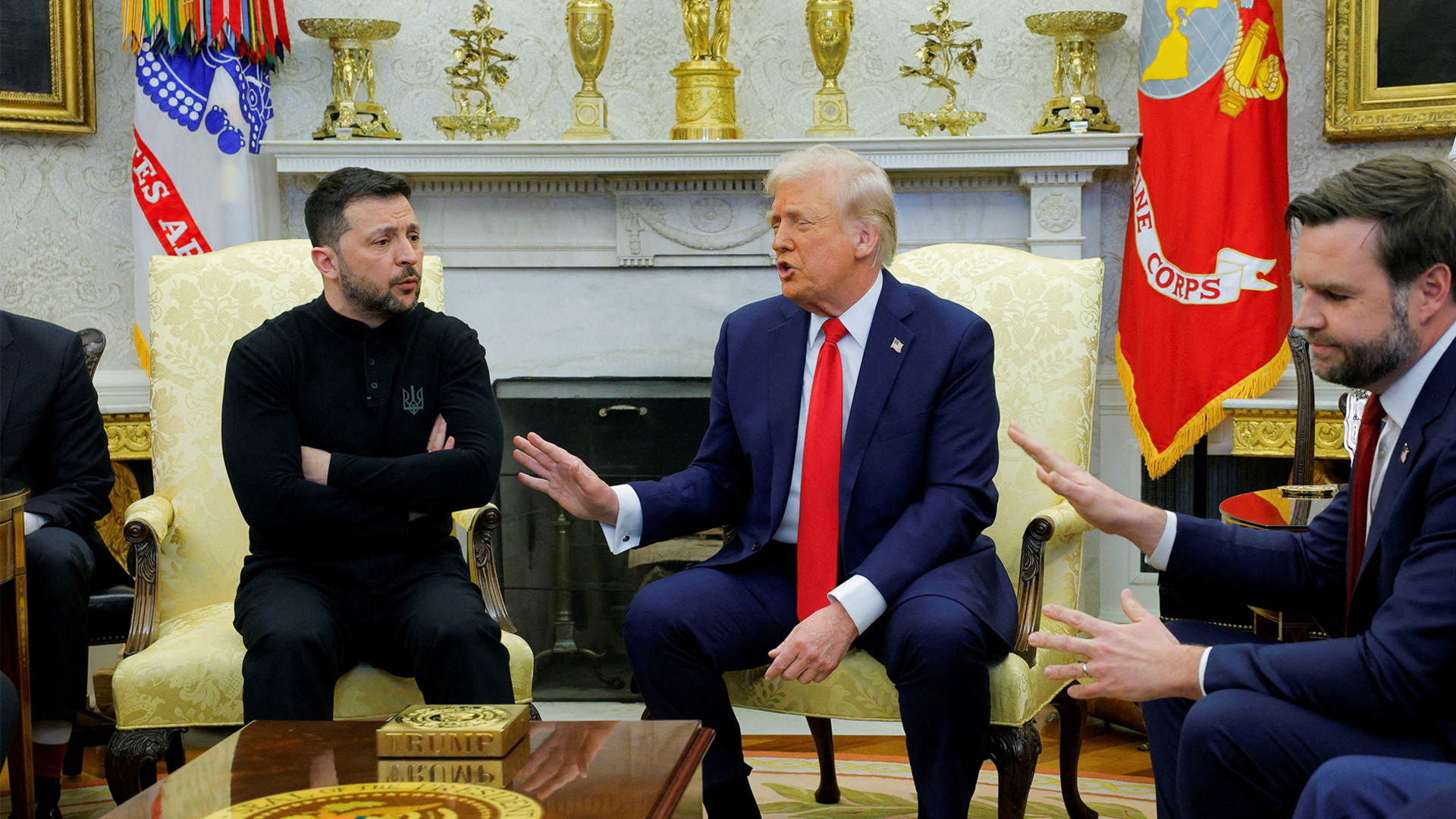
Ukrainian President Volodymyr Zelenskyy was mauled by Trump and Vice President J D Vance on February 28, when he went to the White House to sign a mineral rights agreement he hoped would bring US military aid.
He and Vance clashed over direct talks with Russia over Ukraine’s head, and Vance lambasted Zelenskyy for failing to show enough “gratitude” to the US.
“You’re playing with millions of people’s lives. You’re gambling with World War Three,” said Trump.
However, Zelenskyy and Trump appeared to have patched things up a little when they held an impromptu meeting while attending the funeral of Pope Francis at the Vatican in April. A White House spokesperson described the encounter as “very productive”.
Cyril Ramaphosa, South Africa
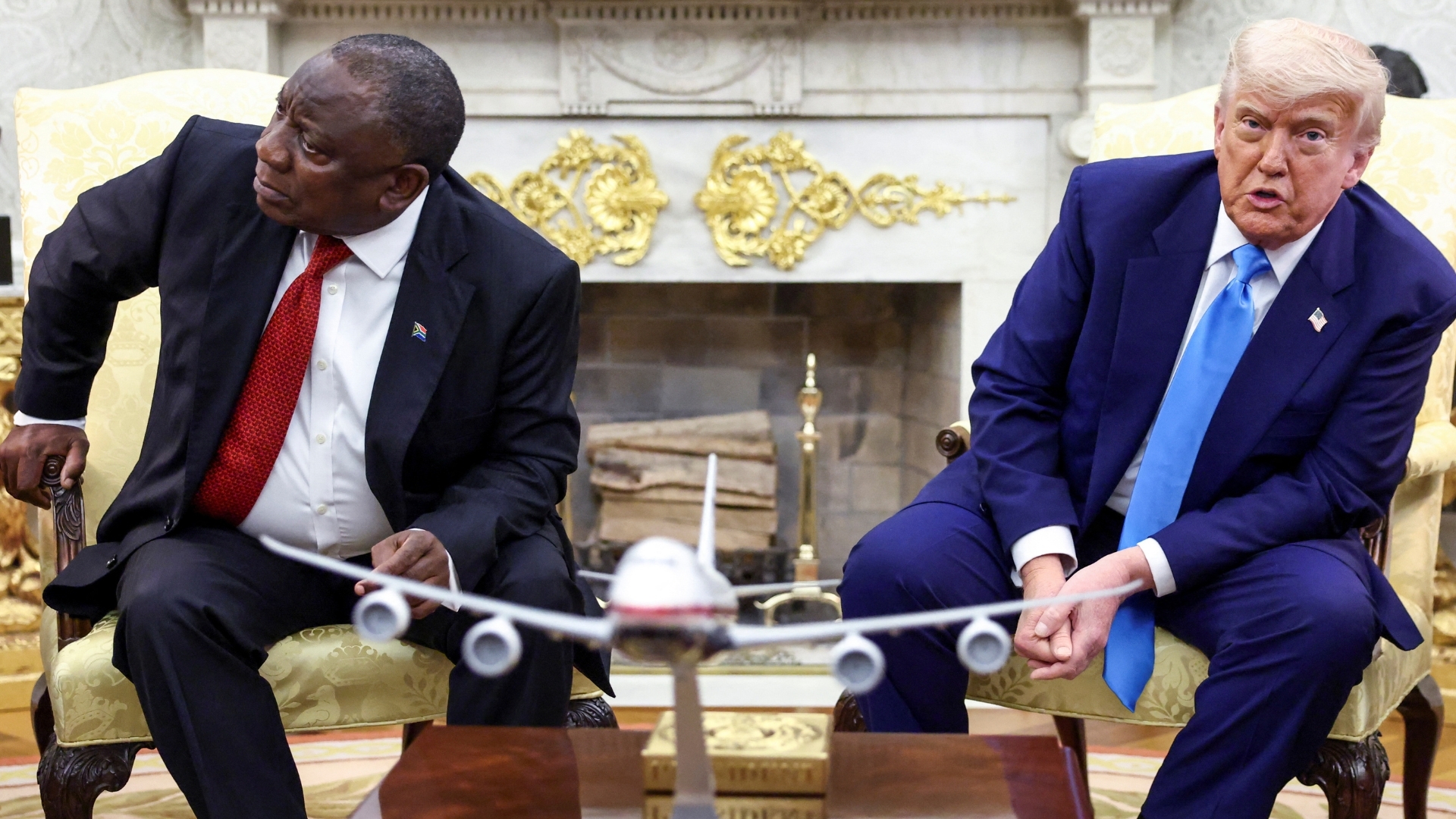
Last month, Trump ambushed South African President Cyril Ramaphosa at the White House when he played him a video of a South African opposition party rally in favour of evicting white farmers. Trump accused South Africa of carrying out a “genocide” against white farmers.
Ramaphosa was visibly discomfited, but he patiently explained that under a parliamentary system, different viewpoints are expressed, which don’t represent government policy, and that South Africa is a violent country where most victims of violence are Black.
“You are a partner of South Africa and as a partner you are raising concerns which we are willing to talk to you about,” Ramaphosa said, calming Trump a little.
Trump was sidetracked into talking about a Jumbo Jet that Qatar had gifted him during his Middle Eastern tour. “I’m sorry I don’t have a plane to give you,” said Ramaphosa, as if to make a virtue of his absence of flattery.
Does flattery work with Trump?
Some experts believe that flattery may help to prevent confrontation with Trump. Some observers have argued it helps “to contain the American president’s impulses”.
But flattery does little to change actual US policy. Rutte and other NATO leaders failed to draw the US back into the Contact Group helping Ukraine with weapons.
“A summit dedicated to the sole aim of making Trump feel good is one with very limited aims indeed. All it does is push the difficult decisions forward for another day,” wrote Andrew Gawthorpe, a lecturer in history and international studies at Leiden University, the Netherlands, in The Conversation, a UK publication.
Those who do have good relations with Trump don’t necessarily come away with the things they want, either. Starmer’s US-UK trade deal keeps tariffs in place for British companies exporting to the US, albeit lower ones than Trump had been threatening. Meloni is still waiting for Trump to bestow her a visit.
Respectful firmness, on the other hand, does seem to work.
Trump has dropped his campaign to redraw US borders by absorbing Canada and Greenland, which is owned by Denmark. Carney’s firmness helped, because it carried a sense of finality. Carney had just won an election and Trump acknowledged “it was probably one of the greatest comebacks in the history of politics. Maybe even greater than mine.”
Denmark has been similarly firm. Prime Minister Mette Frederiksen has said existing agreements with the US already allow it to station military bases there, while Greenlanders don’t want to be colonised by Americans.
Trump’s attempts to embarrass Zelenskyy and Ramaphosa also backfired. Europe has stepped in to make up the shortfall in US military aid to Ukraine, casting the US as a fickle ally. Trump’s “white genocide” video did little to convince Americans that South Africa was committing a genocide against Dutch Boers, and his offer of asylum to a number of them has been roundly criticised in the US.

