In the vast fictional universe of Marvel Comics, T’Challa, better known as Black Panther, is not only king of Wakanda, he’s also the richest superhero of them all. And although today’s fight for the title of wealthiest person alive involves a tug-of-war between billionaire CEOs, the wealthiest person in history, Mansa Musa, has more in common with Marvel’s first black superhero.
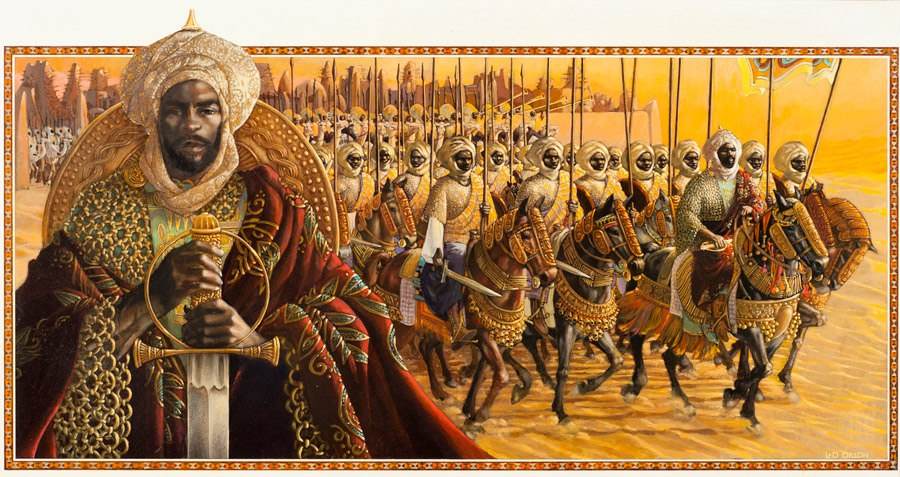
Musa became ruler of the Mali Empire in 1312, taking the throne after his predecessor, Abu-Bakr II, for whom he’d served as deputy, went missing on a voyage he took by sea to find the edge of the Atlantic Ocean. Musa’s rule came at a time when European nations were struggling due to raging civil wars and a lack of resources. During that period, the Mali Empire flourished thanks to ample natural resources like gold and salt.
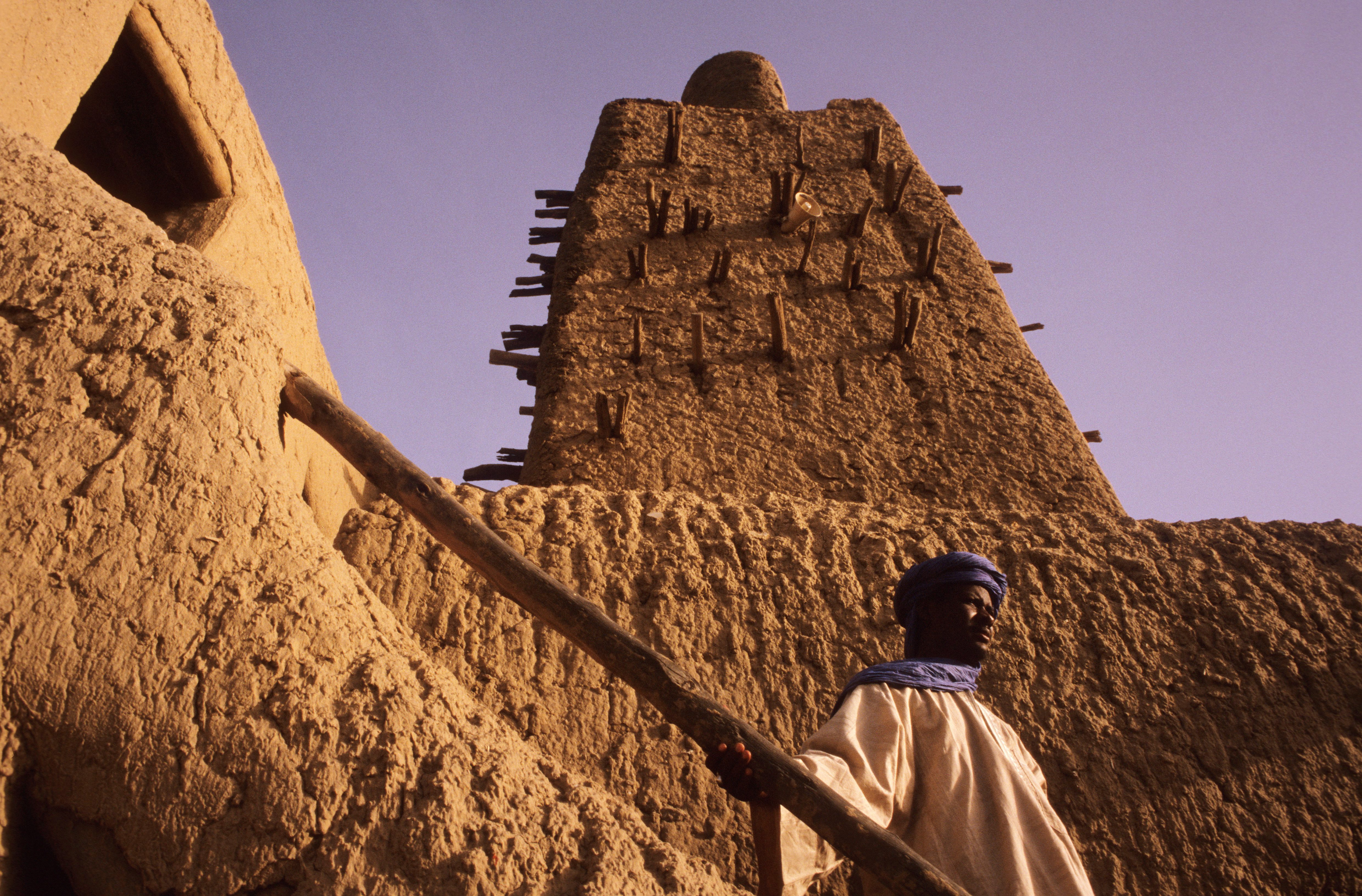
And under the rule of Musa, the prosperous empire grew to span a sizeable portion of West Africa, from the Atlantic coast to the inland trading hub of Timbuktu and parts of the Sahara Desert. As the territory grew while Musa was on the throne, so did the economic standing of its citizens.
It wasn’t until 1324 that the world outside of Mali’s border would get a glimpse of the king’s expansive wealth. A devout Muslim in a majority Muslim community, Musa set off on a journey to Mecca for his Hajj pilgrimage. But the king didn’t travel by himself.
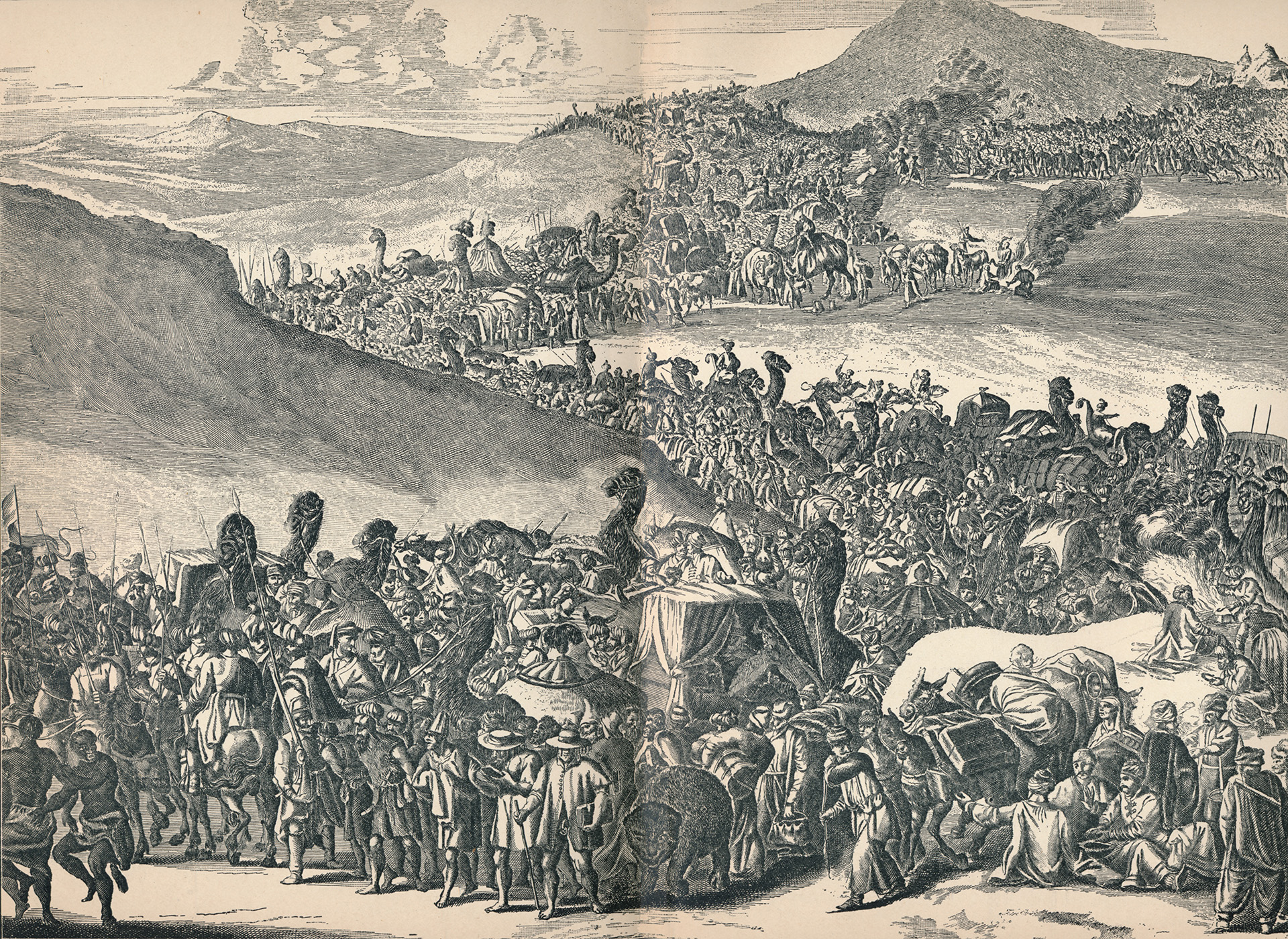
Of course, this spectacle was noticed by residents of the territories that Musa passed through—after all, a group so massive was impossible to overlook. The impact the Malian emperor left on the Egyptian people would reverberate for more than a decade.
Arriving in Cairo, Musa’s character was put on full display during his reluctant encounter with Cairo’s ruler, al-Malik al-Nasir. According to texts from the ancient historian Shihab al-Umari, Musa was greeted in Cairo by a subordinate of al-Nasir, who invited him to meet with the fellow monarch. Musa declined the proposition, claiming that he was only passing through on his pilgrimage to Mecca.
The reason why soon became clear to onlookers. “I realized that the audience was repugnant to him, because he would be obliged to kiss the ground and the sultan’s hand,” said a man named emir Abu, as chronicled in the documents. “I continue to cajole him, and he continued to make excuses, but the sultan’s protocol demanded that I should bring him into the royal presence, so I kept on at him till he agreed.”
From the markets of Cairo to royal offices to the impoverished people that crossed his path in Egypt, Musa’s generosity and purchase of foreign goods left the streets littered with gold—a resource that was greatly appreciated and in short supply. The people were thrilled—at least at first. Though well-intentioned, Musa’s gifts of gold actually depreciated the value of the metal in Egypt, and the economy took a major hit. It took 12 years for the community to recover.
But the king’s trip wasn’t all about giving. On his voyage, he acquired the territory of Gao within the Songhai kingdom, extending his territory to the southern edge of the Sahara Desert along the Niger River. He would go on to have an empire that spanned several territories, including current-day Senegal, Gambia, Guinea, Niger, Nigeria, Chad, and Mauritania, in addition to Mali.
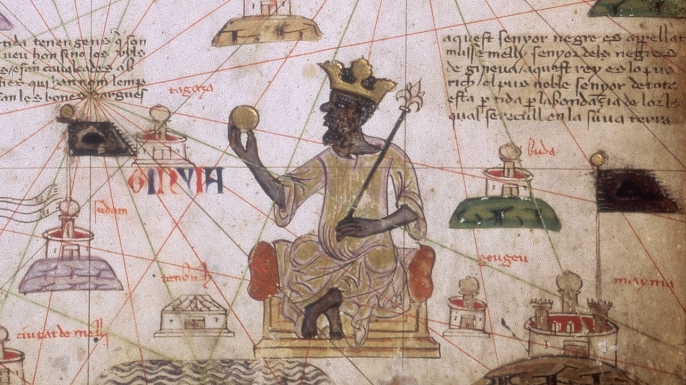
Word of Musa’s wealth and influence only spread beyond Africa after his voyage to Mecca. Tales of his enormous convoy and generosity continued to be passed on long after his death, which is believed to have taken place sometime between 1332 and 1337. By the late 14th century, Musa had been drawn in the 1375 Catalan Atlas, an important resource for navigators of Medieval Europe. Created by Spanish cartographer Abraham Cresques, the atlas depicted Musa sitting on a throne with a gold scepter and crown, holding a gold nugget.
From the abundance of natural resources he cultivated to the growth and development of communities that he left behind, Musa has a legend that could give the fictional Black Panther a run for his money. As far as wealth goes, it is nearly impossible to quantify the riches that Musa had during his lifetime. The vastness of Musa’s land and material holdings, University of Michigan associate history professor Rudolph Ware explained in Time, seems downright incomprehensible today: “Imagine as much gold as you think a human being could possess and double it, that’s what all the accounts are trying to communicate,” he said. “This is the richest guy anyone has ever seen.”


No comments:
Post a Comment