
© UNHCR/Kenzie Eagan
A boat carrying
Rohingya refugees across the Andaman Sea remains moored in the sea after
refugees disembark on a beach in Aceh, Indonesia, on January 8, 2023
2 February
2023Migrants and refugees
Muslim
minority, refugees in Bangladesh because of violence in Myanmar, are now trying
to enter Indonesia, Malaysia and Thailand; from 2020 to 2021 there was an
increase of around 290% in arrivals; OIM expands operations to be able to
provide assistance.
In recent months, the number of Rohingya
refugees arriving in Southeast Asia by sea and land routes has increased
dramatically. The minority of Muslim origin claims to be the target of
systemic persecution in Myanmar.
According to the International Organization for Migration, IOM,
last year there were nearly 3,300 arrivals in Indonesia, Malaysia and
Thailand . Compared to 2021, the high represents triple entries.
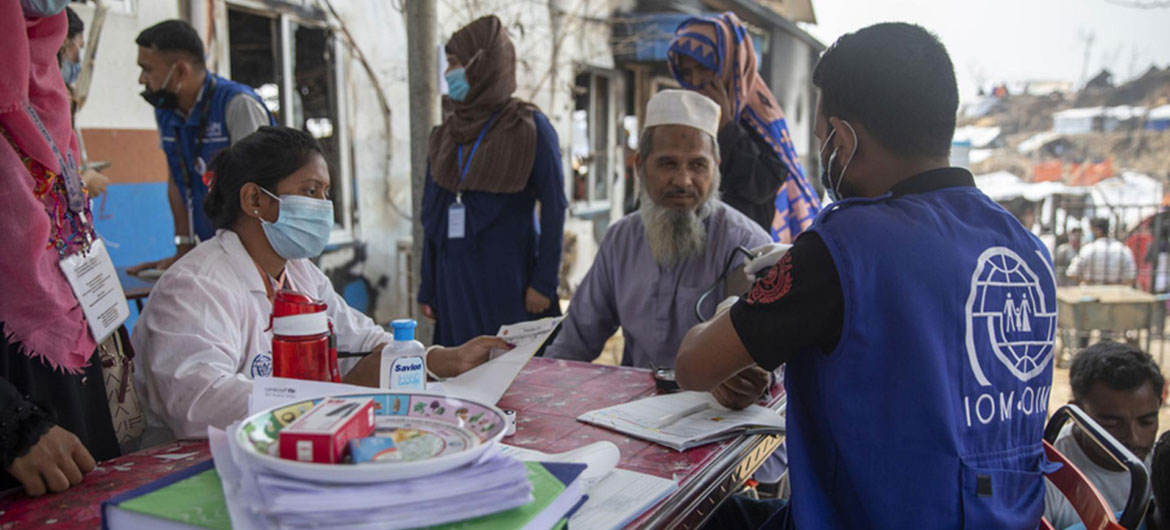
IOM
IOM is
providing medical assistance to newly arrived Rohingya refugees
Majority of arrivals
were in Indonesia
According to news agencies, refugees make dangerous journeys in
search of a better life outside the overcrowded camps in Bangladesh. Other
reasons are the increase in crime in these fields and the lack of education and
work opportunities.
In the first 23 days of this year alone, 300 arrivals were
registered. With that, the UN agency is expanding its operations to
assist refugees.
IOM Regional Director for Asia and the Pacific, Sarah Lou Ysmael
Arriola, said that since the start of the Rohingya refugee crisis, IOM has been
steadfast in providing much-needed humanitarian support. Since 2020, more
than 3,000 Rohingya in Indonesia, Malaysia and Thailand have received direct
assistance.
In Indonesia, the biggest destination, IOM works with the
government, partner NGOs and the UN Refugee Agency, UNHCR, to facilitate access
to basic services.
The agency provided protection and health services, including
mental health, as well as renovating temporary shelters and ensuring water
supply, access to food, sanitation and waste management.
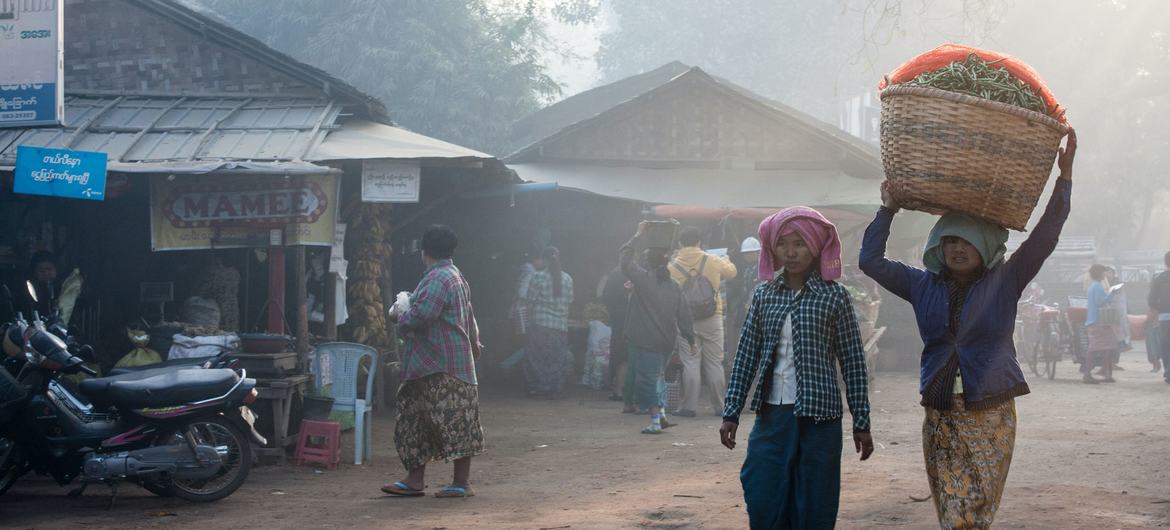
Unsplash/Ajay Karpur
More than five
years ago, hundreds of thousands of Rohingya fled their homes in Myanmar after
a military campaign of persecution. Nearly a million live in Cox's Bazar
camp across the border in neighboring Bangladesh.
Risk of human
trafficking and violence
In addition, IOM teams conduct information sessions in the
Rohingya language to raise awareness of risks related to smuggling and
trafficking in human beings, gender-based violence and sexual exploitation and
abuse.
In Thailand, the agency provides health services and other
assistance. In Malaysia, IOM offers rent money for threats of eviction
that Rohingya refugees face.
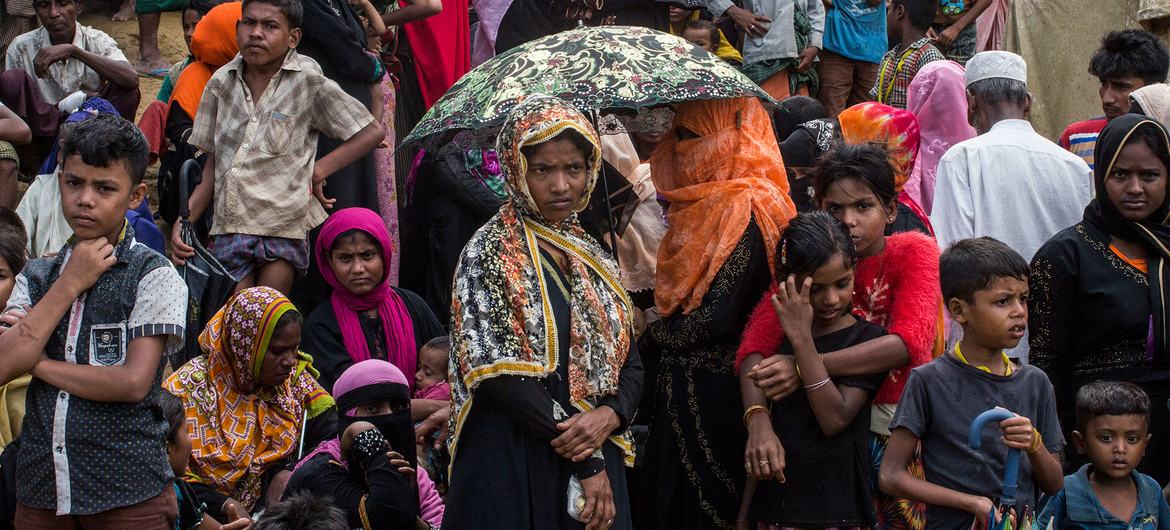
© Unicef/Roger LeMoyne
Rohingya
refugees line up for food and other supplies at a refugee camp in Bangladesh.
Crisis has lasted more
than five years
In August 2017, a wave of
violence forced more than 700,000 Rohingya to flee their homes in Myanmar and
seek shelter in neighboring Bangladesh. Today, Bangladesh is home to the
world's largest refugee settlement at Cox's Bazar.
The previous decades had already
been marked by systemic discrimination and targeted violence. Nearly 1
million refugees remain in overcrowded camps, with many more embarking on
perilous journeys to neighboring c
countries.
♦ Receive updates directly to your email - Sign up for the
UN News newsletter
here
♦ Download the app for - iOS or Android
♦ Follow us on Twitter ! Watch
videos on Youtube and listen to the radio on Soundcloud
ROHINGYA REFUGEESINDONESIABANGLADESHHI M


No comments:
Post a Comment