Israel’s war on Lebanon has damaged the country’s wheat production and harmed the lives of farmers, experts told Al Jazeera.
For the last three years, Israel has been waging a war on Lebanon, where it has occupied large parts of the south and destroyed homes and infrastructure, in what some experts have said is a deliberate effort to make the land uninhabitable.
Recommended Stories
Repeated Israeli attacks have created havoc on the country’s wheat production, particularly in the south and in eastern Lebanon’s Bekaa Valley, where lands abandoned due to the impacts of war have increased to around 24 percent.
“They’re disrupting entire ecosystems,” Munira Khayyat, author of A Landscape of War: Ecologies of Resistance and Survival in South Lebanon, told Al Jazeera. “[Israel is] advancing the possibilities of drought and desertification, basically weakening the capacity of this land to hold life.”

- Now Playing
Israeli soldiers mock Lebanese home they rigged with explosives
- Next
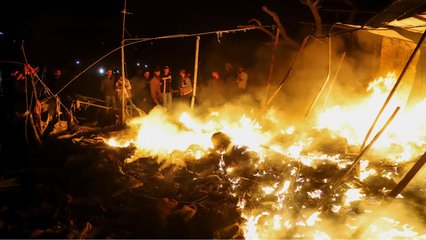
Israeli air strike burns tents sheltering displaced Palestinians in Gaza
South Africans divided over Olympic swimmer’s switch to Netherlands
Trump ‘Foot Soldier’ statue mocks his Vietnam draft deferment
US man convicted after admitting he dismembered wife but denies killing her




Farmlands damaged
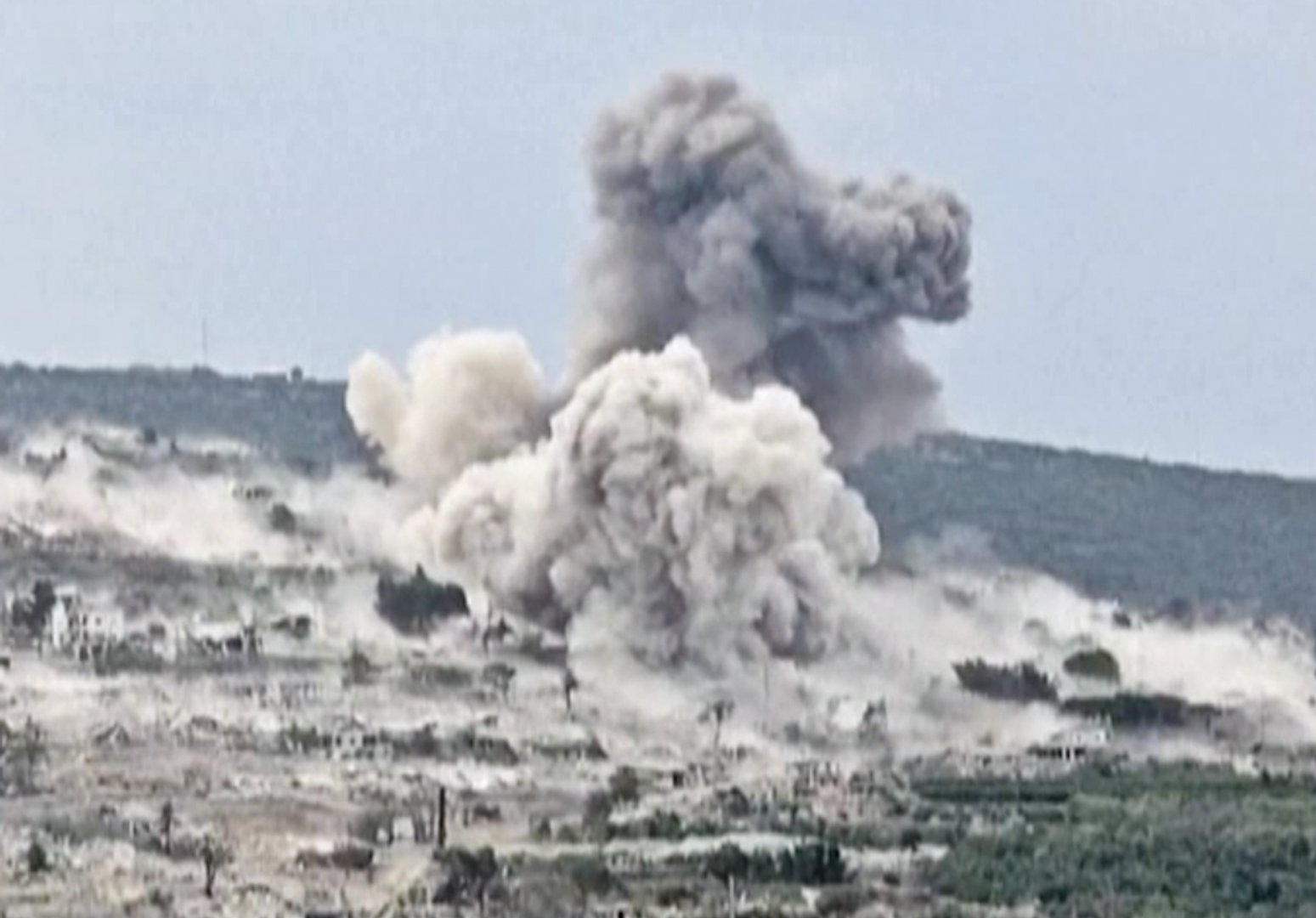
Since 2023, Israel has been attacking large swaths of southern Lebanon, including using chemicals like white phosphorus, in what analysts and locals said was an effort to make the ground sterile or uninhabitable. A ceasefire was brokered in 2024 by France and the United States, but Israel never stopped attacking targets in Lebanon.
On March 2, Israel escalated its war on Lebanon for the second time in under two years. Hezbollah had attacked Israel following Israel’s assassination of Iran’s Supreme Leader Ayatollah Ali Khamenei two days earlier. The group also said it was in response to near-daily ceasefire violations by Israel.
Since then, Israel has reinvaded southern Lebanon, taking land up to 10 kilometres (6.2 miles) inside the country. Beirut and Tel Aviv signed a US-brokered framework agreement in June, which was supposed to put into motion so-called “pilot zones”. Under these pilot zones, Israeli troops would withdraw to be replaced by the Lebanese Armed Forces, who would also work to disarm Hezbollah.
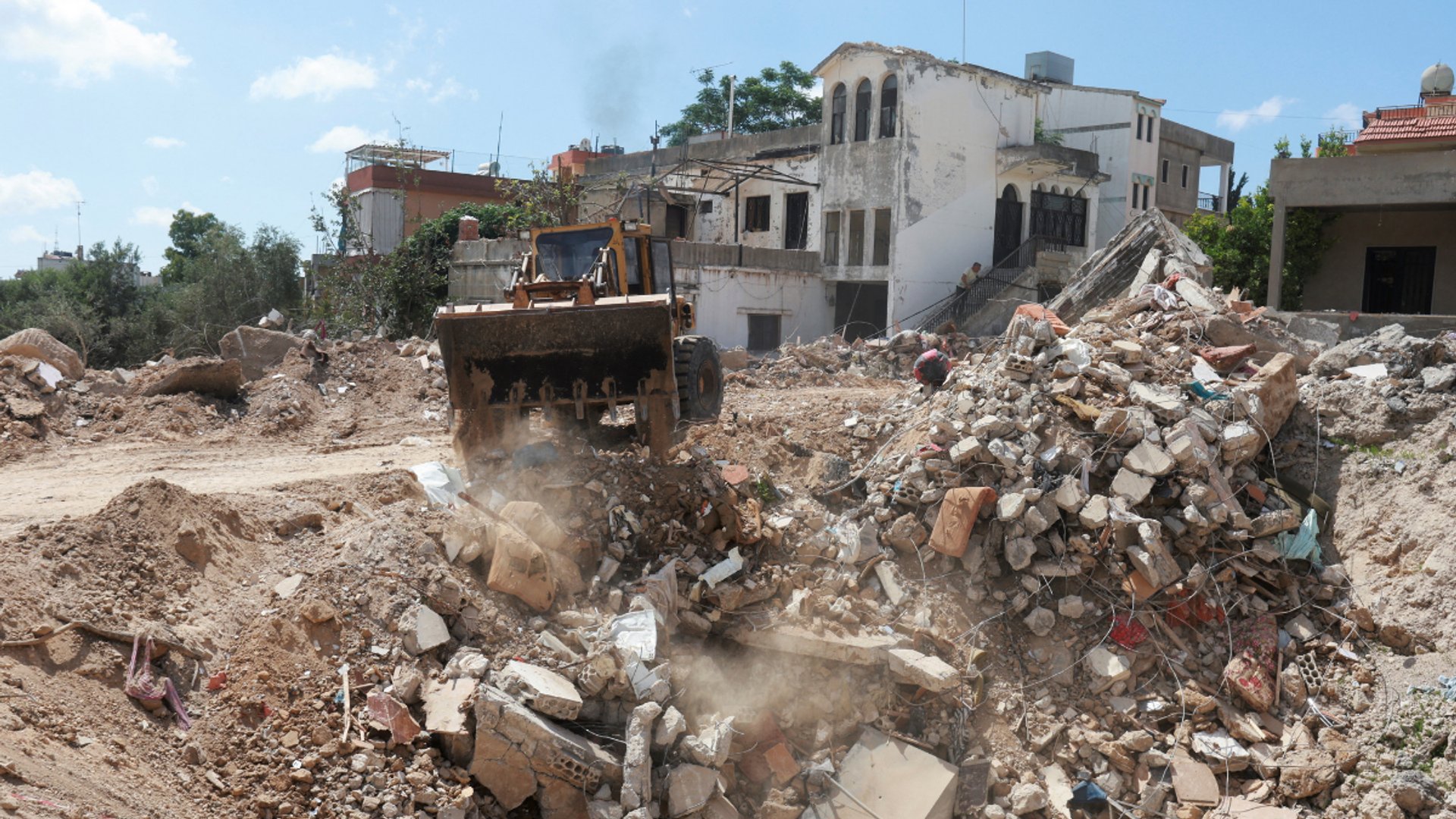
Instead, Israeli troops have continued to level destruction in southern Lebanon, detonating homes and crucial infrastructure, including farmland.
“The South [of Lebanon] experienced the highest average losses [in wheat-growing areas], reaching 47 percent in 2023-2024 and 61 percent in 2024-2025,” Mariam Ibrahim, a researcher with Lebanon’s National Council for Scientific Research [CNRS-L] and author of a recent paper called “Wheat in Crisis” that tracked Lebanon’s wheat struggles from 2017 to 2025, told Al Jazeera. “The Bekaa plain, which accounts for approximately 64 percent of Lebanon’s national wheat production, was also significantly affected, losing around 43 percent and 57 percent of its wheat area during the two respective seasons.”
In areas like the border town Bint Jbeil, 100 percent of cropland was destroyed, while in the Baalbeck district to the east, the study says approximately 32 percent of cropland was destroyed.
Wheat price influences
Ibrahim said the Russian-Ukrainian war led to an increase in bread prices and incentivised some domestic Lebanese production.
“The depreciation of the Lebanese pound meant that farmers could potentially generate higher revenues and profits in local currency when selling their wheat, as wheat prices were increasingly influenced by international market prices,” she said. “This provided an additional economic incentive to expand wheat cultivation, and our results showed that Lebanon’s wheat cultivation area reached its peak [during] the 2022-2023 season.”
However, experts said that since 2023, Israel’s war on Lebanon led to the proportion of land that had been used to grow wheat that was now left fallow increasing from 9 percent to 24 percent, mostly in the south and the Bekaa Valley.
Elias Ghadban, a food security expert with the independent Beirut-based consultancy firm AgriDev, told Al Jazeera that the destruction of land used to farm wheat has not made a “significant difference” at the national level, but it has had a damaging effect on southern wheat farmers who “lost their livelihoods”.
Ghadban also pointed to the fact that the cost of living has increased in Lebanon while salaries have failed to match that increase. “The expenditure on basic needs went up,” he said.
The economic crisis, followed by three years of war, has devastated many farmers, particularly as much of southern Lebanon’s farmland is largely unindustrialised. Experts warn that the destruction caused by Israel’s war could prevent many farmers from rebuilding their livelihoods, even after the fighting ends.
“All those small farmers who have made southern Lebanon what it is today and have been able to hold that land through their attachment to it, through their farming of it, through their existential need to be on that land in order to make their lives viable, that’s going to be broken,” Khayyat said.


No comments:
Post a Comment